How to Maintain a Healthy and Beautiful Lawn Year Round
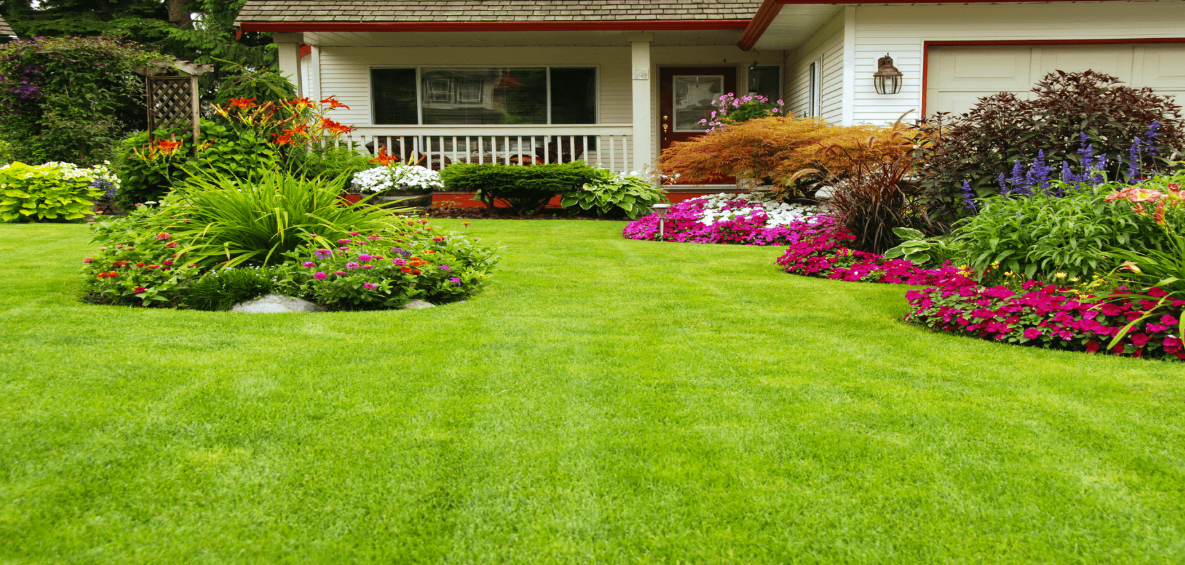
A healthy lawn can make any home look more attractive, welcoming, and well cared for. Green grass, clean edges, and even growth can improve the overall appearance of an outdoor space. However, maintaining a beautiful lawn throughout the year requires regular care and the right seasonal approach.
Learning how to maintain a healthy and beautiful lawn year round means understanding the basic needs of grass, including water, nutrients, mowing, soil care, and protection from weeds and pests. With consistent attention, it is possible to keep a lawn strong and attractive in every season.
Understanding What a Healthy Lawn Needs
A healthy lawn depends on several factors working together. Grass needs suitable soil, proper watering, enough sunlight, regular mowing, and the right amount of nutrients.
When one of these elements is missing, the lawn may become thin, dry, patchy, or more vulnerable to weeds and disease.
Focus on Consistent Lawn Care
Consistency is one of the most important parts of lawn maintenance. Small tasks completed regularly are usually more effective than major repairs after the lawn has already become damaged.
Checking the lawn often can help identify problems early and make maintenance easier.
See also: How Blockchain Technology Is Revolutionizing Finance
Mow the Lawn at the Right Height
Proper mowing supports healthy grass growth and helps create a neat appearance. Cutting the grass too short can weaken the roots and make the lawn more sensitive to heat, drought, and weeds.
The ideal mowing height can vary depending on the type of grass, but it is generally better to avoid removing too much growth at one time.
Follow the One-Third Rule
A useful lawn care guideline is to avoid cutting more than one-third of the grass blade during a single mowing session.
Removing too much grass can place unnecessary stress on the lawn. Regular mowing at the correct height encourages thicker and stronger growth.
Keep Lawn Mower Blades Sharp
Sharp mower blades create clean cuts, while dull blades can tear the grass. Torn grass tips may turn brown and can make the entire lawn look unhealthy.
Checking and sharpening mower blades regularly can improve both lawn appearance and grass health.
Change Mowing Direction
Mowing in the same direction every time can cause grass to lean and may create visible patterns in the lawn.
Changing the mowing direction from time to time can encourage more upright growth and reduce soil compaction in frequently used areas.
Water the Lawn Properly
Water is essential for maintaining healthy grass, but too much or too little can both create problems.
Deep and less frequent watering is usually more beneficial than light watering every day because it encourages roots to grow deeper into the soil.
Water Early in the Day
Morning is often the best time to water a lawn. Cooler temperatures reduce water loss through evaporation and give the grass time to dry before night.
A lawn that stays wet for long periods may become more vulnerable to certain fungal problems.
Avoid Overwatering
Overwatering can weaken grass roots and create conditions that support weeds, pests, and lawn diseases.
Instead of watering on a fixed daily schedule, pay attention to weather conditions and the moisture level of the soil.
A lawn usually needs less additional water during rainy periods.
Improve the Overall Appearance of Your Home
A well-maintained lawn can play an important role in improving the overall look of a property. Outdoor maintenance often works best when it is combined with other home improvement projects. For example, homeowners planning a Bathroom Renovation may also choose to refresh outdoor spaces so the entire property feels cleaner, more modern, and better maintained. Giving attention to both indoor and outdoor areas can create a more complete improvement in the home’s appearance.
Feed the Lawn With the Right Nutrients
Grass needs nutrients to maintain healthy color and strong growth. Fertilization can help replace nutrients that are naturally used up over time.
The type and timing of fertilizer should depend on the grass variety, climate, and soil conditions.
Avoid Applying Too Much Fertilizer
More fertilizer does not always mean a healthier lawn. Excess fertilizer can damage grass and may create rapid growth that requires more mowing and water.
Following product instructions and using appropriate amounts can help support balanced growth.
Test the Soil When Needed
Healthy grass begins with healthy soil. A soil test can provide useful information about nutrient levels and soil acidity.
If the lawn continues to struggle despite regular care, testing the soil may help identify an underlying problem.
Improve Soil Quality Gradually
Organic matter such as compost can sometimes help improve soil structure and support healthier grass growth.
Better soil can improve drainage, moisture retention, and root development.
Control Weeds Before They Spread
Weeds compete with grass for water, sunlight, nutrients, and growing space. A thick and healthy lawn is naturally better at limiting weed growth.
Removing weeds early can prevent them from spreading throughout the yard.
Identify Weeds Before Treatment
Different weeds may require different control methods. Identifying the type of weed can help determine whether hand removal, improved lawn care, or another treatment is appropriate.
Avoid using unnecessary products when a simple method can solve the problem.
Prevent Bare and Thin Areas
Bare patches can reduce the beauty of a lawn and provide open spaces where weeds can grow.
Thin areas may develop because of heavy foot traffic, poor soil, lack of sunlight, pests, or improper watering.
Reseed Damaged Areas
Reseeding can help restore thin or bare sections of the lawn. Choosing grass seed that matches the existing lawn and local growing conditions can improve the chances of successful growth.
Keep newly seeded areas properly moist while the grass becomes established.
Aerate Compacted Soil
Soil can become compacted over time, especially in areas with heavy foot traffic. Compacted soil limits the movement of air, water, and nutrients to the grass roots.
Aeration creates small openings in the soil and can help improve root development.
Choose the Right Time for Aeration
The best time to aerate depends on the type of grass. It is generally better to aerate when the grass is actively growing so it can recover more quickly.
Avoid aerating during periods of extreme heat or severe stress.
Remove Excess Thatch
Thatch is a layer of dead and living organic material that forms between the soil and grass blades.
A small amount can be normal, but an excessive layer may prevent water and nutrients from reaching the roots properly.
Check Thatch Thickness
If the lawn feels unusually soft or water has difficulty reaching the soil, excess thatch may be part of the problem.
Dethatching may be useful when this layer becomes too thick.
Protect the Lawn From Pests and Disease
Healthy grass can resist many common lawn problems, but pests and diseases may still appear.
Look for unusual brown patches, thinning areas, damaged blades, or signs of insects.
Address Problems Early
Early action can prevent a small problem from spreading across the lawn.
Before using any treatment, identify the likely cause because similar symptoms can come from watering problems, pests, disease, or nutrient issues.
Adjust Lawn Care for Spring
Spring is an important recovery period for many lawns. Grass begins growing more actively as temperatures rise.
Remove debris, inspect damaged areas, begin regular mowing, and address weeds before they become established.
Prepare for Active Growth
Spring can also be a good time to repair thin areas and check soil conditions.
Avoid heavy lawn treatments until the grass is actively growing and able to recover.
Maintain the Lawn During Summer
Summer heat can place significant stress on grass. Proper watering and mowing become especially important during hot weather.
Keeping the grass slightly taller can help shade the soil and reduce moisture loss.
Reduce Stress During Extreme Heat
Avoid heavy fertilization or unnecessary lawn work during periods of intense heat.
If the grass becomes temporarily dormant during drought conditions, excessive watering may not always be necessary depending on the grass type.
Prepare the Lawn in Fall
Fall can be one of the best seasons for improving lawn health in many climates.
Cooler temperatures and suitable soil conditions can support root development and recovery.
Repair and Strengthen the Lawn
Fall lawn care may include aeration, reseeding, fertilization, leaf removal, and weed management.
These steps can help prepare the lawn for colder conditions and support stronger growth later.
Protect the Lawn During Winter
Grass growth often slows significantly during winter. The lawn usually requires less mowing and feeding during this period.
However, basic care is still important.
Limit Heavy Traffic
Walking repeatedly on frozen or very wet grass can damage the lawn.
Keeping heavy traffic to a minimum can help protect grass crowns and reduce soil compaction.
Keep Leaves and Debris Under Control
A thick layer of leaves can block sunlight and trap moisture around the grass.
Regularly removing leaves, branches, and other debris helps keep the lawn cleaner and reduces the risk of damaged grass.
Use Leaves Wisely
In some cases, finely mulched leaves can add organic matter back into the lawn.
However, large piles should not be left covering the grass for long periods.
Create a Simple Lawn Care Routine
Knowing how to maintain a healthy and beautiful lawn year round becomes easier when regular tasks are part of a routine.
Mowing, watering, inspecting, cleaning, and seasonal care do not need to be complicated.
Monitor Changes Throughout the Year
Weather, grass growth, and soil conditions can change from one season to another.
Adjusting lawn care based on current conditions is more effective than following the exact same routine all year.
Frequently Asked Questions About Year-Round Lawn Care
How often should I mow my lawn?
Mowing frequency depends on grass growth, weather, and season. Mow often enough to avoid removing more than one-third of the grass blade at one time.
What is the best time of day to water a lawn?
Early morning is usually the best time because temperatures are cooler and the grass has time to dry during the day.
How can I keep my lawn green during summer?
Proper watering, suitable mowing height, healthy soil, and reducing stress during extreme heat can help maintain a greener lawn.
Why does my lawn have brown patches?
Brown patches can result from drought, pests, disease, poor soil, pet damage, or improper watering. Identifying the cause is important before choosing a treatment.
Should I fertilize my lawn in every season?
Not necessarily. Fertilizer timing depends on the grass type, climate, and soil condition. Applying nutrients at the wrong time can sometimes cause more harm than good.
How can I make my lawn thicker?
Regular mowing, proper watering, suitable fertilization, aeration, overseeding, and improving soil conditions can all support thicker grass growth.
Conclusion
Learning how to maintain a healthy and beautiful lawn year round requires regular attention rather than complicated maintenance. Proper mowing, deep watering, suitable fertilization, weed control, soil care, and seasonal adjustments can keep grass stronger and more attractive.
Every lawn is slightly different, so the best results come from observing its condition and adjusting care when needed. With a simple and consistent routine, a healthy, green, and beautiful lawn can remain an important part of the outdoor space throughout the year.