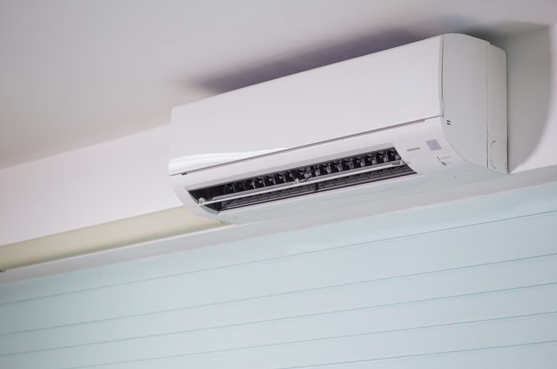
Why Annual AC Cleaning Is Essential For Avoiding Mold Risks
Air-conditioning units ensure comfort through the seasons but also need to be maintained to stay safe and functional. Accumulation of moisture, dust, and organic particles creates a perfect place for the development of mold. Once the process occurs, the spores may get distributed within the interior space, deteriorating the quality of the air and possibly resulting in foul smells or even health risks. Scheduling an annual air conditioner cleaning keeps the unit safe and extends its operational lifespan. Here are five key points on the importance of air conditioner cleaning each year.
Prevents Moisture Buildup That Encourages Mold
Mold tends to develop anywhere where moisture accumulates for long periods. In an air conditioning unit, condensation will normally occur while the unit is operating. If drain pipes get blocked or the internal parts are dirty, the condensation can stay within the unit rather than be drained out. This will create an environment for mold to thrive in.
Cleaning makes sure that any blockages are cleared and that the condensation drains out as expected. An air conditioner that has been cleaned regularly dries up faster each time it cools, thus preventing mold from developing. Dealing with moisture when it occurs is always better than tackling a contaminated air conditioning unit.
See also: Smart Ways to Compare Home Builders in Australia Without Overlooking Crucial Details
Removes Dust and Dirt That Feed Mold Growth
Dust and dirt might appear to be harmless, but they act as nutrients that aid in the survival of mold when there is some moisture. Dust particles get deposited on evaporator coils, filters, fans, and other internal components, resulting in the formation of a coating that holds moisture and prevents air circulation.
Regular maintenance eliminates these contaminants before they accumulate to problematic levels. Homeowners who invest in professional air con cleaning services benefit from thorough cleaning techniques that reach hidden areas where ordinary maintenance often falls short. Cleaner components reduce the availability of organic material that mold depends upon while also helping the system circulate fresher, healthier air throughout the property.
Improves Indoor Air Quality
A dirty air conditioning system will disperse mold spores and other impurities such as allergens into the air each time it is running. Even minimal levels of mold within the air conditioner can impact the air quality of the entire building over time, particularly among those with allergy or asthma conditions.
Regular cleaning ensures that contaminants are kept from circulating via ducts and into occupied areas. Filters that have been cleaned, decontaminated coils, and cleaner blower parts facilitate better airflow and minimize any musty smell that could be caused by mold. Improved indoor air quality leads to a more pleasant atmosphere.
Increases Energy Efficiency While Protecting Equipment
If the insides get covered with dirt, then the air conditioning unit will have to do extra effort in order to cool down to the desired level. Extra load on the compressor and other components leads to higher energy consumption and increased wear rate.
Annual maintenance service helps in restoring correct airflow as well as effective functioning of heat transfer surfaces. Decreased load on the equipment results in higher cooling efficiency and lower energy bills. In addition, such an approach will prevent possible breakdowns, which can cause even more problems with the amount of moisture in the system.
Saves Money by Preventing Costly Mold Problems
Not conducting maintenance regularly can seem like a money-saving idea at first; however, many air conditioners end up suffering from malfunctions that are quite costly to repair. Mold removal, insulation repairs, duct cleaning, and part replacements can prove to be costly once the contamination starts to spread across the whole system.
Yearly AC cleaning makes it possible to recognize potential problems early on and avoid having them develop into bigger ones. This way, the cost of repair can be lowered significantly along with any inconvenience. The longevity of the unit is increased through maintenance as well because it delays the necessity of replacing the air conditioner prematurely.
Cleaning the AC on a yearly basis is crucial for maintaining good air quality inside the building, as well as extending the lifespan of your air conditioning system. This process involves moisture control, removal of impurities, improvement of the airflow and efficiency, and prevention of expensive mold-related problems. Instead of solving issues when they arise, the risks can be mitigated by having ACs serviced annually and ensuring they stay free of mold.