The End-of-Winter Drain Check: A 10-Minute Routine to Catch Slowdowns Before Spring Backups
Winter is finally packing its bags, but it usually leaves a few unwelcome parting gifts in your pipes. Between the heavy holiday cooking grease, the extra hot showers, and the debris that settles when pipes get chilly, your drainage system has been working overtime. Taking a moment for routine plumbing maintenance tailored to your property is the best way to ensure that the upcoming spring rains don’t turn a minor clog into a basement swimming pool.
Why the Seasonal Shift Matters for Your Pipes
When temperatures fluctuate, your plumbing feels the stress. During the winter, oils and fats that go down the kitchen sink tend to solidify much faster in cold pipes, clinging to the interior walls like glue. As we move into spring, increased water usage from garden prep and heavy rainfall can suddenly put pressure on these narrow passages. If you don’t clear out that winter “sludge” now, you’re essentially waiting for a bottleneck to happen during the first big April thunderstorm.
The Kitchen Sink Stress Test
Start your ten-minute check in the heart of the home. Most kitchen backups aren’t a surprise; they give you plenty of warning signs if you’re looking for them. Fill your sink about halfway with lukewarm water, then pull the plug. Watch the swirl. If it gulps or bubbles, you have air trapped by a partial blockage. A quick trick to freshen things up without harsh chemicals is to drop a handful of baking soda down the drain, then add a splash of vinegar. Let it fizz for a few minutes, then flush it with a kettle of hot water. It’s a simple way to break up winter grease deposits before they harden into solid obstructions.
Clearing the Bathroom Hair Traps
Bathroom drains are the primary victims of winter “hibernation.” Long hair, soap scum, and skin cells create a thick mat that slows down your morning routine. Take two minutes to remove the pop-up stoppers in your sinks and tubs. You would be shocked at what accumulates there in just a few months. Use a small zip tool or even a bent wire hanger to pull out the debris. It is a bit gross, but doing this now prevents you from standing in two inches of greywater during your shower next week.
Inspecting the Low Points and Floor Drains
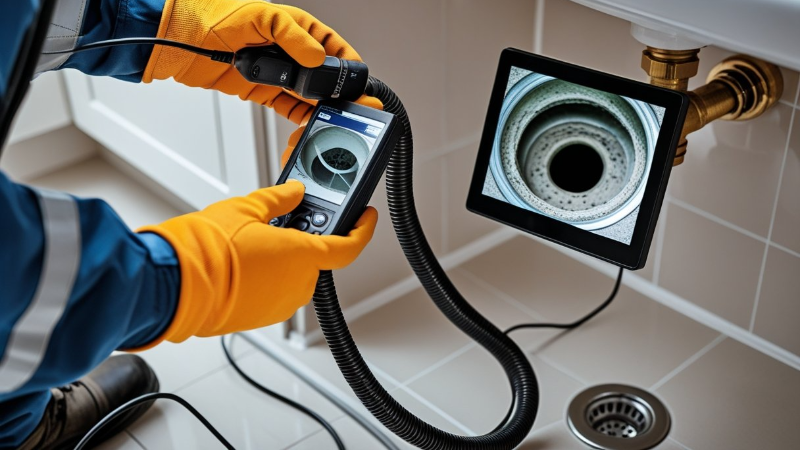
If your home has a basement or a utility room, the floor drain is your last line of defense against flooding. During winter, these drains can dry out, allowing sewer gases to enter your home, or they can become clogged with dust and laundry lint. Pour a gallon of water down these drains to make sure the P-trap is full, and the line is clear. If the water sits there or drains at a snail’s pace, it’s a sign that the main line might need a closer look. While many homeowners handle the basics themselves, more complex issues might require professional plumbing maintenance services to ensure the main sewer line isn’t encroached upon by thirsty spring tree roots.
The Exterior Checkup
Before you wrap up your ten minutes, step outside. Check the area around your foundation where the main cleanout is located. Make sure it hasn’t been buried by mulch or shifted by winter freezes. If you have a sump pump, now is the time to pour a bucket of water into the pit to make sure the float triggers and the pump actually discharges the water. You do not want to find out the pump is seized when a flash flood is hitting your neighborhood.
Final Thoughts: Small Efforts for Big Peace of Mind
It is easy to ignore your drains when they are still technically working, but proactive care is always cheaper than an emergency call on a Sunday night. By spending just a few minutes walking through your home and testing these high-traffic areas, you effectively reset your plumbing for the new season. Prioritizing routine plumbing maintenance tailored to your property keeps your home dry and your wallet full as we head into the warmer months.