Hot Water Taking Forever? How Pipe Distance and Flow Rate Slow It Down—and the Fixes That Actually Work
Waiting forever for hot water is more common than you think, and it can turn a simple shower into a test of patience. Many homeowners blame the water heater itself, but often the problem comes down to pipe distance and flow rate. Regular expert tankless unit maintenance can help ensure your system delivers hot water quickly and efficiently. Simple tweaks like insulating pipes or adjusting flow can make a noticeable difference. With a few practical fixes, you can stop standing in the cold and start enjoying hot water on demand.
Why Distance from the Water Heater Matters
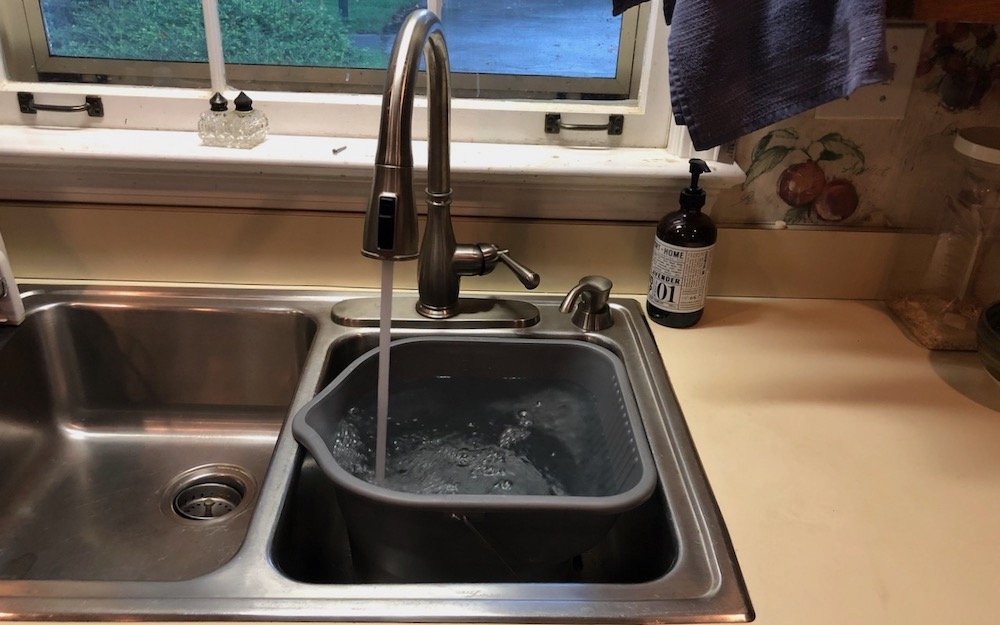
The farther your faucet is from the water heater, the longer it takes for hot water to arrive. Pipes lose heat as water travels, so a long run means waiting and wasting water. Understanding this simple fact helps you see why even a perfectly working heater might feel slow.
Flow Rate and Its Role in Hot Water Speed
Flow rate is just how fast water moves through your pipes, and it has a big impact on how quickly hot water reaches you. Low pressure, old pipes, or certain fixtures can slow the flow and make you wait longer than necessary. Fixing flow issues can often make your showers noticeably warmer and faster.
Simple Fixes that Can Help Immediately
Sometimes small adjustments can make a big difference in how quickly hot water reaches your taps. Here are a few practical fixes you can try right away:
Insulate Your Hot Water Pipes
Wrapping your pipes with insulation helps keep the water warm as it travels from the heater to your faucets. This is an easy and affordable way to reduce wait time and waste less water while waiting for it to heat up.
Upgrade or Clean Fixtures
Old or clogged faucets and showerheads can restrict water flow and slow down hot water delivery. Cleaning aerators or replacing outdated fixtures can improve flow and make your hot water arrive faster.
Adjust Your Flow Settings
Some homes have flow restrictors or pressure settings that limit how fast water moves through your system. Tweaking these settings carefully can speed up delivery without affecting your tankless water heater service or overall performance.
Shorten Pipe Runs Where Possible
If a faucet is unusually far from the heater, consider rerouting or shortening the pipe path. Even small changes can cut down the wait time and make a noticeable difference in everyday use.
Consider a Hot Water Recirculation Pump
Installing a recirculation pump can push hot water through your pipes quickly so it’s ready almost instantly. This solution works well in larger homes and pairs nicely with a tankless water heater to keep everything running efficiently.
Technology Solutions That Make a Big Difference
Modern technology can make waiting for hot water a thing of the past. These solutions go beyond simple fixes and can transform how quickly hot water reaches every faucet in your home.
Recirculation Pumps
A recirculation pump moves hot water through your pipes continuously or on demand, so it’s ready the moment you turn on the tap. This is especially helpful for larger homes or bathrooms far from the water heater, cutting down wait time dramatically.
Smart Timers and Controls
Smart timers let you schedule your recirculation pump or heater to run just before you need hot water. Some systems even connect to apps, letting you trigger hot water from your phone so you never have to wait for it again.
Temperature Monitoring and Alerts
Some advanced systems monitor your water temperature and alert you to inefficiencies or maintenance needs. This proactive approach keeps your system running smoothly and helps you avoid delays caused by unnoticed issues.
When to Call a Professional
Sometimes the fixes you can do yourself are not enough to solve slow hot water problems. It’s a good idea to call a professional if you notice persistent delays, strange noises, or leaks in your system. A plumber can diagnose complex issues and make sure your pipes, flow, and tankless water heater are working safely and efficiently.
Conclusion
Waiting for hot water can be frustrating, but understanding how distance and flow affect speed makes it easier to fix. Combining simple DIY tweaks with technology solutions and regular expert tankless unit maintenance can keep your system running efficiently. With a few smart adjustments, you can enjoy hot water on demand and stop wasting time in the cold.