DCIM System: Optimizing Data Center Management
In the modern digital age, data centers form the backbone of IT infrastructure. Managing these facilities efficiently is critical, and this is where a DCIM system (Data Center Infrastructure Management system) comes into play. A DCIM system provides a centralized platform to monitor, manage, and optimize data center operations, combining IT and facility management for maximum efficiency.
What is a DCIM System?
A DCIM system is software that integrates information about a data center’s IT equipment, power, cooling, and network systems. It provides real-time monitoring, reporting, and predictive analytics, allowing administrators to make informed decisions about capacity, energy usage, and resource allocation. Unlike traditional management tools, DCIM systems bridge the gap between IT management and physical infrastructure management.
See also: Maximise Energy Efficiency with Roof Skylights for Flat Roof Homes
Key Features of a DCIM System
- Asset Management: Tracks all physical and virtual assets in a data center, including servers, racks, switches, and power units. This helps prevent over-provisioning and reduces operational costs.
- Power and Energy Monitoring: Monitors energy consumption at the device, rack, and room level, helping organizations identify inefficiencies and reduce electricity costs.
- Environmental Monitoring: Provides sensors and analytics for temperature, humidity, airflow, and water leakage, ensuring optimal conditions for hardware performance and lifespan.
- Capacity Planning: Helps plan future growth by analyzing current resource utilization, enabling data centers to expand without downtime or wasted investment.
- Workflow Automation: Simplifies routine tasks such as server provisioning, maintenance alerts, and change management, reducing human error and operational overhead.
- Predictive Analytics: Uses historical and real-time data to forecast potential failures, energy spikes, or cooling inefficiencies, allowing preemptive action.
Benefits of Implementing a DCIM System
Implementing a DCIM system brings numerous benefits:
- Improved Operational Efficiency: By providing real-time visibility into all assets and infrastructure, DCIM systems streamline management processes.
- Cost Reduction: Identifies underutilized resources and optimizes energy usage, significantly reducing operational costs.
- Enhanced Reliability: Predictive analytics help prevent unplanned downtime and hardware failures.
- Regulatory Compliance: Ensures proper documentation and monitoring, aiding in compliance with industry standards.
- Scalability: Supports growth by enabling informed decision-making when expanding or upgrading infrastructure.
How DCIM Systems Work
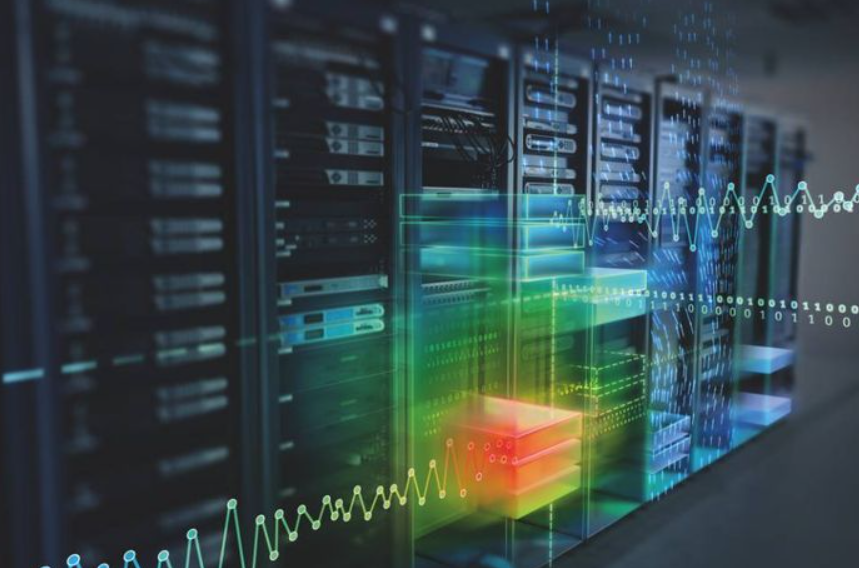
A DCIM system operates by collecting data from multiple sources within the data center, including sensors, power meters, servers, and network devices. This data is then processed and visualized through a dashboard, allowing administrators to monitor performance, track assets, and make data-driven decisions. Advanced DCIM solutions also integrate with existing IT management tools for seamless operations.
Choosing the Right DCIM System
Selecting the right DCIM system requires considering factors such as:
- Scalability: The system should accommodate future expansion without additional complexity.
- Integration Capabilities: It must integrate with existing IT management tools and hardware systems.
- User Interface: A clear and intuitive dashboard reduces training time and increases adoption.
- Real-Time Monitoring: The ability to track and respond to issues in real time is crucial for uptime.
- Customization: Flexible reporting and analytics tailored to organizational needs enhance decision-making.
Challenges in DCIM Implementation
Despite its benefits, implementing a DCIM system can present challenges:
- High Initial Investment: The cost of hardware, software, and training can be substantial.
- Complex Integration: Connecting DCIM with legacy systems may require significant technical expertise.
- Data Accuracy: The effectiveness of DCIM relies on accurate data collection; sensor errors or misconfigured systems can affect outcomes.
- Change Management: Adapting existing workflows to leverage DCIM capabilities may face resistance from staff.
FAQs about DCIM Systems
Q1: What industries benefit most from DCIM systems?
A1: Industries with large-scale IT infrastructure such as cloud services, telecommunications, banking, healthcare, and government institutions gain the most from DCIM systems.
Q2: Can DCIM systems reduce energy consumption?
A2: Yes, by monitoring energy usage and optimizing power distribution, DCIM systems can significantly reduce energy costs.
Q3: Is DCIM only for large data centers?
A3: While most beneficial for large data centers, smaller facilities can also use DCIM systems to improve efficiency and manage growth effectively.
Q4: How does DCIM improve uptime?
A4: By providing predictive analytics and real-time monitoring, DCIM helps prevent failures before they occur, minimizing downtime.
Q5: Can DCIM systems integrate with cloud infrastructure?
A5: Yes, many modern DCIM systems offer integration with cloud platforms, enabling hybrid data center management.
Conclusion
A DCIM system is an essential tool for modern data center management, offering unparalleled visibility, efficiency, and control over IT infrastructure. By integrating asset tracking, environmental monitoring, power management, and predictive analytics, organizations can reduce costs, improve reliability, and plan effectively for future growth. Despite potential challenges like cost and integration complexity, the long-term benefits make DCIM systems an indispensable part of any data-driven organization’s strategy.